3.8(Q2)
CiteScore
27
h-index


Facts & Figures

h-index (Google Scholar)

27

i10-index (Google Scholar)

97

Google Scholar Citation

3006

CiteScore 2024

3.8

CiteScore Tracker 2025

5.2

Scimago h-index

9

Scopus h-index

12

Scimago Quartile 2024

Q2

Issue Per Year

6

Number of Volumes

10

Number of Issues

41

Published articles

376

Rejected Submissions

500

Acceptance Rate

40

Review Papers

25

Accepted Submissions

377

Number of Contributors

1,264

Number of Submissions

946

Article View

619,133

PDF Download

304,749

View Per Article

1646.63

PDF Download Per Article

810.5

Number of Reviewers

9029

Number of Indexing Databases 16


Asian Journal of Green Chemistry               

Asian Journal of Green Chemistry was launched in 2017  by Sami Publishing Company (SPC) with cooperation "Iranian Chemical Science and Technologies Association". This double blind peer-reviewed and indexed journal aim to provide a platform for researchers around the world to share their latest findings in all field of Chemistry. Experimental, theoretical and applied original research studies in all field of green chemistry are welcomed for submission. The journal is Open Access and all articles published in this journal are freely available for readers online at http://ajgreenchem.com without a subscription and authors retain the copyright of their work. The journal have a policy allowing authors to deposit versions of their work in an institutional or other repository of their choice. Asian J. Green Chem. is published Bimonthly(online and in print) from 2024. Asian Journal of Green Chemistry is indexed in the Scopus: https://www.scopus.com/sourceid/21101172931  , Q2 (Scimago, SJR 2024=0.520), CiteScore 2024=3.8 h-index=9, Scimago link,

The acceptance rate of Asian J. Green Chem. was 35% in 2025. The average time between submission and final decision is 4-6 weeks and the average time between acceptance and publication is 2-3 weeks. 

Asian J. Green Chem. is supported by:

1) Ministry of Science, Research and Technology

2) Sami Publishing Company

3) Iranian Chemical Science and Technologies Association

4) Islamic World Science Citation Center (ISC E-Journals)


Eco-Friendly Waste-to-Resource Synthesis of Hydroxyapatite/Polyethylene Glycol Composites from Gonggong Clam Shells for Efficient Rhodamine B Dye Removal

Pages 372-388

https://doi.org/10.48309/ajgc.2026.550310.1840

Novesar Jamarun, . Zulhadjri, Upita Septiani, Vivi Sisca, Arika Prasejati, . Cynthia, Nabiila Ayyu Trycahyani, Adam Hidayat

Abstract Dye waste is an environmental problem that requires an effective solution. One approach involves the use of adsorbent materials based on hydroxyapatite-polyethylene glycol (HAp/PEG) composites. In this study, HAp/PEG composites were synthesized using the in-situ sol-gel method with gonggong clam shell waste (Laevistrombus canarium) as a calcium source. The addition of polyethylene glycol (PEG) aimed to improve the porosity, dispersibility, and mechanical stability of hydroxyapatite (HAp). The characterization results confirmed the presence of typical HAp functional groups through Fourier transform infrared spectroscopy (FTIR), high crystallinity based on X-ray diffraction (XRD), a surface area of 73.001 m2/g obtained from Brunauer-Emmett-Teller (BET) analysis, and irregular spherical morphology with a smooth surface as observed by field emission scanning electron microscopy coupled with energy-dispersive X-ray spectroscopy (FESEM–EDS). The Rhodamine B (RhB) adsorption tests showed optimal conditions at pH 11, with an adsorbent mass of 0.15 g, an initial concentration of 20 mg/L, and a contact time of 120 min. The adsorption process followed the Langmuir isotherm model and pseudo-second-order kinetics, yielding a maximum adsorption capacity of 3.19 mg/g. The HAp/PEG composite could be reused up to four cycles. In conclusion, the HAp/PEG composite derived from gonggong clam shell waste demonstrated strong potential as an efficient and eco-friendly adsorbent for Rhodamine B removal from wastewater.

Enhanced Wound Healing and Antibacterial Action of Nanosilver-Cinnamon Gel in Diabetic Foot Ulcers

Pages 389-402

https://doi.org/10.48309/ajgc.2026.544301.1824

Fitriari Izzatunnisa Muhaimin, Erlix Rakhmad Purnama, Farah Aisyah Nafidiastri, Nanda Revita Dwi Lestari, Hanifiya Samha Wardhani, Giyanita Rahma Ayu Pramesti, Andika Pramudya Wardana, Amalia Putri Purnamasari, Sari Edi Cahyaningrum

Abstract Diabetic foot ulcerations (DFUs) are chronic, non-healing wounds that arise as a complex complication of diabetes mellitus, often leading to severe infection, tissue necrosis, and amputation in 60% of cases. The progression of DFUs is frequently exacerbated by bacterial colonization and proliferation, particularly by Staphylococcus aureus and Escherichia coli, within the infected tissue. Cinnamon (Cinnamomum spp.) has been extensively utilized in traditional medicine due to its well-documented antibacterial, anti-inflammatory, and antifungal activities. This study investigated the therapeutic potential of a nanosilver–cinnamon oil gel formulation for ulcer treatment through in vitro, in vivo, and in silico approaches. In vitro analyses revealed that higher concentrations of cinnamon oil demonstrated greater inhibitory effects against both S. aureus and E. coli than formulations containing equal ratios of nanosilver and cinnamon oil. In vivo assessments further indicated that increased cinnamon oil concentrations enhanced wound closure rates. Additionally, in silico molecular docking predicted that cinnamaldehyde, the principal constituent of cinnamon oil, could interact with caspase-8, a key regulator in the extrinsic apoptosis pathway. Collectively, these findings underscore the therapeutic potential of cinnamon oil as an adjunctive agent in managing diabetic foot ulcers.

Green Synthesis of Dimedone-Based Compounds under Ultrasonic and Reflux Conditions and Assessment of Their Anticancer Activity against A2780 Ovarian Cancer Cells

Pages 403-412

https://doi.org/10.48309/ajgc.2026.547586.1832

Asiyeh Einolvand, Sabah Salahvarzi

Abstract In this study, a series of dimedone derivatives were synthesized through the condensation of dimedone with various aromatic aldehydes. The chemical structures of the products were confirmed using spectroscopic techniques including FT-IR and NMR. The reactions were carried out under two different conditions: conventional reflux and ultrasonic irradiation. Additionally, the effect of varying the molar ratio of aldehyde to dimedone (1:1 and 1:2) was investigated. One of the advantages of this method is its solvent-free nature, contributing to a more environmentally friendly synthesis. The anticancer properties of the synthesized compounds were evaluated in vitro against A2780 ovarian cancer cells. Statistical analysis using SPSS revealed that treatment with 25 µM and 50 µM concentrations of all derivatives significantly reduced cell proliferation after 24 hours compared to the control group (0 µM). These findings indicate that all synthesized compounds exhibit promising anticancer activity.

Green Chemistry Approach for the Study of Methylene Blue Degradation in Aqueous Medium by CaO Photocatalysts under LED and Halogen Irradiation

Pages 413-429

https://doi.org/10.48309/ajgc.2026.559210.1868

Chini Zine Labidine, Chaouki Mourad, Mezrag Abderrahmane, Boumessaidia Selmane, Karce Houssam Eddine, Aissaoui Meriem, Esseid Chahrazed, Benyamina Adlene, Abdallah El Hadj Abdallah

Abstract This work presents a green chemistry approach to investigate the photocatalytic degradation of Methylene Blue in aqueous medium using calcium oxide (CaO) as a photocatalyst under LED and halogen irradiation. The study focuses on how calcination temperature and light source influence the photocatalytic activity of CaO. Structural characterization (FTIR, SEM, and EDX) confirmed that increasing the calcination temperature from 1,000 °C to 1,100 °C enhances the crystallinity and homogeneity of CaO particles. Photocatalytic experiments revealed that, in the absence of light, the degradation rate remains low (< 3%), confirming that photocatalysis is the main degradation pathway. Under halogen lighting at 1,000 °C, 60% of Methylene Blue degraded within 40 minutes, while LED irradiation achieved 30%. At 1,100 °C, performance improved markedly: halogen light yielded 80% degradation after 60 minutes, compared to 50% under LED. The pH of the solution significantly affected efficiency; in basic medium (pH 9), LED irradiation led to 90% degradation at 1,100 °C, surpassing halogen (50%). In acidic medium (pH 2), efficiency remained below 25% under all conditions. Complete (100%) degradation was achieved at a catalyst mass of 15 mg under halogen light at 1,100 °C. These findings highlight the importance of optimizing physicochemical parameters to improve CaO-based photocatalysis and emphasize the potential of Green Chemistry principles for sustainable pollutant degradation.

Green Extraction, Antioxidant, and Hepatoprotective Evaluation of Calotropis procera Leaf Extract

Pages 430-449

https://doi.org/10.48309/ajgc.2026.558174.1863

Shripad Motilal Bairagi, Jyoti Gorakh Wagh, Avinash Raosaheb Thanage, Pericharla Venkata Narasimha Raju, Phanindra Erukulla, Krishna Vamsi Kandimalla, Ajay Manukonda, Ramenani Hari Babu

Abstract The present study investigated the antioxidant and hepatoprotective potential of a methanolic leaf extract of Calotropis procera obtained by cold maceration. Physicochemical evaluation revealed total ash (5.1 % w/w), acid-insoluble ash (1.28% w/w), and water-soluble ash (3.81 % w/w), serving as diagnostic parameters for standardization. Preliminary phytochemical screening confirmed the presence of flavonoids, phenolics, alkaloids, terpenoids, glycosides, tannins, and saponins, which are known for their pharmacological activities. The extract demonstrated potent in vitro antioxidant capacity, with IC₅₀ values of 2.88 µg/mL for DPPH (p < 0.001) and 5.27 µg/mL for hydrogen peroxide scavenging (p < 0.001), significantly lower than those of ascorbic acid (12.60 and 69.22 µg/mL, respectively), while exhibiting a concentration-dependent increase in reducing power up to 100 µg/mL. In vivo, paracetamol administration (2 g/kg) induced hepatotoxicity in rats, as evidenced by elevated serum AST (109.33 IU/L), ALT (137.33 IU/L), ALP (152.16 IU/L), bilirubin (1.263 mg/dl), and lipid peroxidation (7.295 M/mg protein), along with depleted GSH (12.71 M/mg protein), SOD (222.83), and CAT (11.80 µM). Treatment with C. procera extract (100 and 200 mg/kg) significantly reversed these changes (p < 0.001 for major biochemical markers) in a dose-dependent manner. At 200 mg/kg, AST and ALT levels were reduced to 81.26 and 74.06 IU/L, bilirubin decreased to 1.002 mg/dl, and GSH, SOD, and CAT were restored to 15.99 M/mg protein, 281.07, and 14.17 µM, respectively. Hematological indices including RBC, Hb, PCV, and WBC also improved (p < 0.01–0.001). Histological analysis confirmed the attenuation of necrosis and fatty degeneration. These findings established that C. procera is a promising hepatoprotective agent with strong antioxidant mechanisms underlying its efficacy.

Natural Polyphenol-Based Metal-Phenolic Capsules as a Drug Delivery System Containing Ethanol Extract of Peronema canescens Jack Bioactive Compounds

Pages 450-463

https://doi.org/10.48309/ajgc.2026.550128.1839

Regina Wan Azizah, Fasihah Maulida, Indra Lasmana Tarigan, Madyawati Latief

Abstract Sungkai leaves (Peronema canescens Jack) are rich in bioactive metabolites, particularly flavonoids such as quercetin, that exhibit antioxidant and immunomodulatory activities. In this study, a green chemistry-based metal–phenolic capsule (MPC) system was developed to enhance the therapeutic potential of Sungkai ethanol extract. The extract was characterized by HRMS, revealing approximately 454 compounds, including a candidate immunomodulator. MPCs were synthesized via coordination of Fe³⁺ with quercetin and tannic acid, yielding stable microcapsules (8.95–17.25 μm) as confirmed by FTIR, PSA, SEM, and XRD analyses. The system achieved high encapsulation efficiency (EE%) (98.38%) with a loading capacity (LC%) of 1.95%. In silico docking against the TLR4 receptor (PDB ID: 7AAH) indicated favorable binding, supporting the immunomodulatory potential of the extract. In vitro studies demonstrated rapid release under acidic conditions (pH 1.2) and sustained release at physiological pH (7.4). In vivo histopathological evaluation of mouse livers confirmed biocompatibility and hepatoprotective effects. Collectively, these findings highlight MPCs@Sungkai as a sustainable and biocompatible delivery platform, integrating natural polyphenols and plant extracts for immunotherapy applications with reduced risk of drug dependence.

Biosurfactant Production Using Coconut Meal by Indigenous Bacillus velezensis ES7.3: Genetic Characterization and Antifungal Activity against Fusarium oxysporum

Pages 464-482

https://doi.org/10.48309/ajgc.2026.556599.1859

Farah Aisyah Nafidiastri, . Salamun, Ninik Fadhillah, . Ni'matuzahroh, . Fatimah, Almando Geraldi, Amalia Rizky Febriyanti

Abstract Bacillus spp. are a group of bacteria that produce biosurfactants on agroindustrial substrates. This study aimed to determine the species name of Bacillus sp. ES7.3 and biosurfactant-related genes. Additionally, the growth response of Bacillus sp. ES7.3 on coconut meal media, the activity of the crude biosurfactant extract, and the effectiveness of crude biosurfactant extract production on coconut meal and glucose were compared. The antifungal activity of Bacillus sp. ES7.3 was tested. The research included 16S rRNA gene detection, biosurfactant activity screening, biosurfactant biosynthesis gene detection, crude biosurfactant extract production from coconut meal, synthetic mineral water + 2% glucose media for comparison, and antifungal activity testing. The results of species identification showed that Bacillus sp. ES7.3 isolate was 99.31% homologous with Bacillus velezensis strain CBMB205. In turn, the biosurfactant activity of B. velezensis ES7.3 isolate was characterized by the formation of a clear zone around the colony on blood agar media. Furthermore, surfactin thioesterase biosynthesis genes srfAD and ituD were detected. Meanwhile, B. velezensis ES7.3 grown on coconut meal media produced a biomass of 2.9 mg/mL after 48 h of incubation. The production of crude biosurfactant by B. velezensis ES7.3 grown on coconut meal media was more effective than that of the 2% glucose Synthetic Mineral Water media substrate, as indicated by a greater percentage emulsification activity and a lower surface tension on coconut meal media. Regarding the antifungal activity, B. velezensis ES7.3 was able to suppress the growth of Fusarium oxysporum by more than 50%.

Molecular and Translational Pharmacology of Melissa officinalis: Targeting Nrf2/ARE, NF-κB/MAPK, and Purinergic Receptors

Pages 483-499

https://doi.org/10.48309/ajgc.2026.559064.1865

Mamatova Irodakhon Yusupovna, Mamajonov Zafar Abdujalilovich, Askarov Ibragim Rakhmonovich, Ulugbekova Gulruh Juraevna

Abstract Melissa officinalis (lemon balm) (MO) is a medicinal herb traditionally used for neurological, metabolic, and infectious disorders. This review synthesizes evidence on its bioactive compounds and molecular mechanisms, with emphasis on antioxidant, anti-inflammatory, anticancer, metabolic, and neuroprotective effects. A structured literature search was conducted in PubMed, Scopus, and Web of Science (2010–2025) using terms related to MO, phytochemicals, oxidative stress, NF-κB/MAPK, Nrf2/ARE, and purinergic receptors. Eligible studies included in vitro, in vivo, and clinical trials. Bioactive compounds, particularly rosmarinic acid, consistently enhanced Nrf2–ARE–driven antioxidant defense, suppressed NF-κB/MAPK-mediated inflammation, and modulated immune responses via P2X7 inhibition and A2A activation. Flavonoids and essential oils contributed to anxiolytic, anticancer, and antimicrobial effects. Clinical studies confirmed efficacy in anxiety, insomnia, and mild cognitive impairment, although variability of extracts and poor bioavailability remain limitations. MO exhibits multi-target pharmacological potential through modulation of oxidative stress, inflammation, and purinergic signaling. Standardized preparations, bioavailability-enhancing formulations, and biomarker-guided clinical trials are needed to establish its therapeutic utility in neuropsychiatric, inflammatory, and metabolic disorders.

In Vitro Screening of Anticancer Activity of Dregea volubilis and Leptadenia reticulata Using Sulforhodamine B (SRB) Assay

Pages 500-507

https://doi.org/10.48309/ajgc.2026.553231.1845

Venkatesan Natarajan, Harish Nagaraju, Chandan Sathish Kumar, Anusha Ramesh, K Shivaraj, Aravinth Velmurugan, Thamizh Senthamarai Kannan

Abstract The present study aimed to evaluate the anticancer potential of Dregea volubilis and Leptadenia reticulata extracts using the Sulforhodamine B (SRB) assay against selected human cancer cell lines. Ethanolic extracts of both plants were tested, and Adriamycin was used as the reference standard. The GI₅₀ values of Dregea volubilis and Leptadenia reticulata extracts were found to be 62.4 µg/mL and 78.6 µg/mL, respectively, while Adriamycin exhibited a GI₅₀ value of 1.2 µg/mL under similar conditions, indicating comparatively lower potency of the plant extracts. Among the two, Dregea volubilis showed better cytotoxic activity. The findings suggest that the bioactive constituents of these plants may serve as leads for the development of novel anticancer agents. This study provides the first comparative evidence of the anticancer potential of these traditional medicinal plants, supporting their ethnopharmacological relevance.

Evaluation of (E)-1-Phenyl-N-(2-Phenyl)-1,3-Benzoxazol-6-yl) Methanimine Derivatives for In Vitro Inhibition of Sirt2 Enzyme in Parkinson’s Disease

Pages 508-516

https://doi.org/10.48309/ajgc.2026.558256.1866

Navinkumar Malligarjunan, Tejaswini Reddy Jeeru, Gomathi Swaminathan

Abstract Parkinson’s disease (PD) is a progressive neurodegenerative disorder marked by the degeneration of dopaminergic neurons in the striatum and the presence of Lewy bodies composed mainly of α-synuclein. Sirtuin 2 (SIRT2), a class III histone deacetylase, is known to influence key cellular functions such as genome integrity, mitochondrial regulation, autophagy, and apoptosis. Increased SIRT2 expression in aging and PD models highlights its relevance as a potential therapeutic target. In this study, a set of benzoxazole-based methanimine derivatives, (E)-1-Phenyl-N-(2-phenyl)-1,3-benzoxazol-6-yl) methanimine analogues (NOV 1–3), were designed and evaluated for their inhibitory potential against SIRT2. The target protein (PDB ID: 5YQL) was obtained from the RCSB PDB database, refined through loop modelling, and energy-minimized before molecular docking analysis. Docking studies showed that NOV 1–3 exhibited strong binding affinities and key interactions within the SIRT2 active site, suggesting effective inhibition. The synthesized compounds were structurally confirmed using IR, NMR, and mass spectroscopy. In vitro assays further demonstrated notable SIRT2 inhibition, with IC₅₀ values comparable to or superior to the reference drug Memantine. Among the tested molecules, NOV 3 displayed the most potent activity, identifying it as a promising lead compound for developing new therapeutic agents against Parkinson’s disease.

Green Formulation of an Antibacterial Bath Soap Using Elatostema rostratum Leaf Extract as a Sustainable Natural Agent

Pages 517-527

https://doi.org/10.48309/ajgc.2026.556119.1858

Reni Mulyani, Muhamad Herlangga, Dikdik Mulyadi

Abstract Antibacterial soap plays a vital role in maintaining skin hygiene and preventing infections caused by pathogenic microorganisms. This study aimed to develop a transparent solid soap formulated with cocok bubu (Elatostema rostratum (Blume) Hassk) leaf extract, an endemic plant from Sukabumi, as a natural antibacterial agent. The extraction was performed by maceration using methanol, and the extract was subsequently concentrated using a rotary evaporator. The soap was formulated with 50% extract concentration and evaluated for its physicochemical quality parameters, including pH, moisture content, free alkali, foam height, and saponification value. Additionally, skin irritation and antibacterial activity tests were conducted against Staphylococcus aureus. The results showed that the produced soap met the Indonesian national standard (SNI), with pH 9.49, moisture content 10.2%, free alkali 0.032%, saponification value 210.4 mg KOH/g, and foam height 3.2 cm. The product did not cause skin irritation and exhibited strong antibacterial activity with an inhibition zone of 27.3 mm, exceeding the positive control Asepsol (23.0 mm). Therefore, solid soap formulated with cocok bubu leaf extract has great potential as a safe, effective, and environmentally friendly natural antibacterial product.

Green GC-MS Profiling of Portulaca oleracea Phytochemicals for Antirheumatoid Potency: A Sustainable Source of Omega-3 Fatty Acids and Natural Antioxidants

Pages 528-538

https://doi.org/10.48309/ajgc.2026.549966.1837

Andi Maulana Kamri, Bayu Putra, St. Maryam, Aidil Febryan Arya Isma, Achmad Muhtadzim, Rizqi Nur Azizah

Abstract Portulaca oleracea L. (purslane) has historically been utilized in traditional medicine to address numerous inflammatory ailments, including arthritis symptoms. This work seeks to thoroughly characterize the bioactive chemicals in purslane leaf extract and examine its potential as an antirheumatoid drug using a metabolomic analysis approach. Purslane leaf extract was procured using ultrasound-assisted extraction and analyzed using two advanced chromatography-mass spectrometry platforms. Volatile and semi-volatile chemical profiles were identified via gas chromatography-mass spectrometry (GC-MS), while polar and thermolabile compounds were analyzed using liquid chromatography-tandem mass spectrometry (LC-MS/MS). Compound identification was conducted by contrasting mass spectra, retention durations, and fragmentation patterns with authoritative databases (NIST, Wiley, mzCloud, and ChemSpider). GC-MS analysis identified 72 bioactive chemicals, predominantly comprising fatty acids, terpenoids, steroids, and prospective antioxidants. LC-MS/MS analysis verified the existence of phenolic compounds, specifically gallic acid and kojic acid, alongside nitrogenous compounds such as stearamide. Chromone and phenolic acid derivatives exhibit the highest relative abundance. Many discovered compounds possess anti-inflammatory, immunomodulatory, and antioxidant properties that can influence various pathways in the pathogenesis of rheumatoid arthritis, including the inhibition of TNF-α and IL-6. The identification of compounds exhibiting synergistic processes pertinent to rheumatoid arthritis therapy substantiates the traditional utilization of this plant.

Exploring the Anti-Inflammatory and Apoptotic Potential of Nigella Sativa Compounds via Bioinformatics and Molecular Docking

Pages 539-547

https://doi.org/10.48309/ajgc.2026.559306.1867

Viski Fitri Hendrawan, Epy Muhammad Luqman, Rimayanti Rimayanti, Widjiati Widjiati, Iwan Sahrial Hamid, Moh. Anam Al Arif, Hani Plumeriastuti, Tri Wahyu Suprayogi

Abstract Nigella sativa is widely recognized for its anti-inflammatory, antioxidant, and immunomodulatory activities; yet, a systematic in silico assessment of its major phytocompounds against inflammation- and apoptosis-related targets remains limited. This study employed an integrated bioinformatics and molecular docking approach to evaluate the drug-likeness, toxicity, predicted bioactivity, and protein ligand interactions of four key Nigella sativa constituents: thymoquinone, thymohydroquinone, nigellidine, and nigellicine. Druglikeness and pharmacokinetic properties were analyzed using SwissADME, toxicity was predicted through ProTox 3.0, and bioactivity profiles were estimated using PASS Online. Molecular docking simulations were conducted using AutoDock Vina targeting TNF‑α (PDB: 2AZ5) and caspase‑3 (PDB: 3KJF), followed by interaction visualization in Discovery Studio 2024. All compounds satisfied Lipinski’s Rule of Five, suggesting good oral drug-likeness, with nigellicine showing the highest predicted bioavailability score (0.85). Thymoquinone and thymohydroquinone demonstrated the safest toxicity profiles, whereas nigellidine and nigellicine indicated possible organ-specific risks. Docking results showed that nigellidine exhibited the strongest binding affinity to TNF‑α (–8.2 kcal/mol) and caspase‑3 (–6.7 kcal/mol), forming stable interactions with key active-site residues. Overall, these findings highlight nigellidine and nigellicine as promising dual-target inhibitors with potential therapeutic relevance for inflammation and apoptosis-associated conditions. This work supports the development of natural bioactive compounds and aligns with Sustainable Development Goal 3 (Good Health and Well-being).

Bifunctional Biochar-Supported Catalysts for Efficient Hydrodeoxygenation of Pyrolytic Oil Derived from Oil Palm Shells

Articles in Press, Accepted Manuscript, Available Online from 25 January 2026

https://doi.org/10.48309/ajgc.2026.552702.1846

Junifa Layla Sihombing, Ahmad Nasir Pulungan, Herlinawati Herlinawati, Tiara Ramadhani, Sella Naomi Br Sinaga, Salaisa Salaisa, Dika Fahreza, Muhammad Fatra Arganda Saragih

Abstract This study examines the efficacy of bifunctional biochar-based catalysts in the hydrodeoxygenation (HDO) of pyrolytic bio-oil from oil palm shells. Biochar was produced via pyrolysis and modified with Co-Mo and Ni-Mo to enhance catalytic effectiveness. Characterization revealed that activation increased the biochar's surface area significantly from 10.597 m²/g to 218.964 m²/g, although metal impregnation caused a slight reduction. The HDO process in a fixed-bed reactor showed optimal results at 300 °C, with varying liquid product yields for different catalysts. GC-MS analysis indicated a reduction in oxygenated compounds post-HDO, with specific catalysts achieving notable hydrocarbon formation and selectivity towards phenols. The upgraded bio-oil demonstrated enhanced physicochemical properties, making it more suitable as a biofuel. The study emphasizes the potential of biochar-supported bimetallic catalysts in bio-oil upgrading, highlighting the advantages of Co-Mo/A-Biochar and Ni-Mo/A-Biochar. These results illustrate the viability of palm shell waste in sustainable biofuel production, addressing environmental and energy concerns.

Evaluation of Anti-Asthmatic Potential of Emblica Officinalis Seed Extract in RAW 264.7 Cell Lines

Articles in Press, Accepted Manuscript, Available Online from 26 January 2026

https://doi.org/10.48309/ajgc.2026.553890.1848

Elango Kannan, Mumtha Logesh, Priyadharshini S

Abstract This study aims to explore the anti-asthmatic potential of Emblica officinalis seed extract by assessing its effect on inflammatory markers in RAW 264.7 cell line. The preliminary evaluation of Emblica officinalis seed extract performed and characterized by UV, HPLC, and GCMS. Molecular docking was carried out using Schrodinger. DPPH, ABTS, and nitric oxide production were determined to study antioxidant effects, and cytotoxicity was assessed by MTT assay. The expression of IL-4, IL-13, TNF-alpha in LPS induced RAW 264.7 cell lines was analyzed using FACS method. The hydroalcoholic extract produced an extractive and ash values of 2.85% w/w and 3.47 ± 0.15% w/w, respectively. The determination of total phenolic and flavonoid content was favorable. The characterization of the extract was performed and analyzed through HPLC chromatograms. The GCMS chromatogram showed peaks at various retention times indicating the presence of phytoconstituents. In silico studies showed good interactions between selected ligands and the target proteins. The antioxidant studies proved that the extract possesses free radical scavenging activity, reduces nitric oxide production, and MDA levels. The extract proved to be non-toxic in the MTT assay. In LPS induced RAW 264.7 cells the expression of the target proteins that actively involved in the pathogenesis of asthma was decreased.

Green Synthesis of Sulfonamide Derivatives Using Natural Catalysts: Evaluation of Antimicrobial and Anticancer Activities

Articles in Press, Accepted Manuscript, Available Online from 27 January 2026

https://doi.org/10.48309/ajgc.2026.549598.1836

Masumeh Khoshnood, Sabah Salahvarzi

Abstract Sulfonamide derivatives represent a crucial scaffold in medicinal chemistry, yet their conventional synthesis often necessitates environmentally adverse conditions. This study introduces a green synthetic protocol for novel sulfonamide derivatives, generated via reacting aromatic amines with benzenesulfonyl and 4‑methylbenzenesulfonyl chlorides under both conventional (NaOH) and green catalytic conditions. The key innovation lies in utilizing aqueous extracts of natural orange and banana peels as highly efficient, non-toxic, and cost-effective catalysts, achieving synthetic yields exceeding 90% for several products. Biological evaluation demonstrated significant antibacterial activity, exemplified by N‑(4‑chlorophenyl)4‑methylbenzenesulfonamide (MIC 25 µM against Staphylococcus aureus), and anticancer activity, with N‑(4‑ethylphenyl)  4‑methylbenzenesulfonamide showing IC₅₀ values around 25 µM against HT‑29 colon cancer cells. The biological evaluation confirmed that structural features strongly influence activity: dichloro‑substituted derivatives exhibited the highest anticancer potency, with cytotoxicity values approaching those of the standard reference drug, while ortho‑tolyl and para‑chlorophenyl derivatives showed the strongest antibacterial inhibition zones comparable to the reference sulfonamide. These results highlight the dual bioactivity of the synthesized compounds and the novelty of employing natural catalysts in sustainable pharmaceutical synthesis. Overall, the findings emphasize the importance of rational structural design in optimizing these biologically active sulfonamides, establishing this biomass-derived catalytic route as an environmentally friendly pathway for developing promising lead structures for both antibacterial and anticancer drug development.

Uncovering Antibacterial Agents in Petiveria alliacea through Computational and Experimental Methods

Articles in Press, Accepted Manuscript, Available Online from 27 January 2026

https://doi.org/10.48309/ajgc.2026.556397.1857

Jajang Japar Sodik, Entris Sutrisno, Dieni Mardliyani, Taufik Muhammad Fakih

Abstract In response to the urgent need for innovative antibiotics, this study combined in silico and in vitro approaches to identify and evaluate novel bioactive compounds from Petiveria alliacea L. for their antibacterial potential. Through computational analysis, the derivatives exhibited strong binding affinities for key bacterial targets, including tyrosine phosphatase and FtsZ. Molecular dynamics (MD) simulations further validated the exceptional stability of these compounds during their interaction with the FtsZ protein, as evidenced by parameters such as root mean square deviation (RMSD), root mean square fluctuation (RMSF), radius of gyration (Rg), and solvent-accessible surface area (SASA). These findings align with the mechanisms of action of well-known antibiotics such as ciprofloxacin and griseofulvin, which target eukaryotic microtubules, whereas FtsZ serves as the prokaryotic counterpart. Complementing these computational findings, in vitro antibacterial activity testing revealed promising MIC and MBC values, confirming the ability of the bioactive compounds to inhibit and kill bacterial strains effectively. Collectively, the integration of computational and experimental approaches underscores the potential of bioactive compounds from Petiveria alliacea L. as effective antibacterial agents targeting the FtsZ protein. This study contributes to the development of novel antibiotics and provides a robust framework for future drug discovery efforts.

Green Phytochemical-Based Gastroprotection of Glucomannan against Indomethacin-Induced Gastric Ulcers via Cytoprotection and Anti-Apoptotic Effects

Articles in Press, Accepted Manuscript, Available Online from 29 January 2026

https://doi.org/10.48309/ajgc.2026.564754.1884

Yuani Setiawati, Wibi Riawan, Jusak Nugraha, Mohammad Rais Mustafa, Sri Agus Sudjarwo, Wiwik Misaco Yuniarti, Rochmah Kurnijasanti

Abstract Non-steroidal anti-inflammatory drugs (NSAIDs) are widely used but frequently induce gastric mucosal injury. Indomethacin disrupts mitochondrial function, promotes cytochrome c release, and activates caspase-3, leading to apoptosis and epithelial damage. Systemic inhibition of cyclooxygenase-1 (COX-1) further reduces prostaglandin synthesis, compromising gastric mucosal defense. Current anti-ulcer therapies show limited efficacy and notable adverse effects, highlighting the need for safer gastroprotective alternatives. Glucomannan, a plant-derived polysaccharide, has demonstrated the ability to enhance COX-1 expression and suppress apoptotic activity. This study aimed to evaluate the protective effects of Amorphophallus oncophyllus-derived glucomannan against indomethacin-induced gastric ulceration in Wistar rats and to elucidate its cytoprotective, and anti-apoptotic mechanisms. Thirty male Wistar rats were randomly allocated into five groups (n = 6). Group 1 received vehicle only; Group 2 was administered a single oral dose of indomethacin (50 mg/kg). Groups 3-5 were pretreated orally with glucomannan (40, 80, or 160 mg/kg) for seven consecutive days, followed by indomethacin administration. Macroscopic gastric lesions were quantified, and immunohistochemical analyses for COX-1 and caspase-3 expression were performed. Indomethacin induced marked gastric damage characterized by inflammation, erosion, ulceration, and hemorrhage. Glucomannan pretreatment significantly attenuated these lesions in a dose-dependent manner, with 160 mg/kg exhibiting the strongest protective effect (ulcer inhibition rate: 80%). Glucomannan restored COX-1 expression while markedly reducing caspase-3 activity, demonstrating enhanced mucosal cytoprotection and reduced apoptosis. Amorphophallus oncophyllus glucomannan confers potent gastroprotective effects against indomethacin-induced gastric injury, mediated through the upregulation of COX-1 and suppression of caspase-3-dependent apoptosis. These findings suggest its potential as a natural, safe prophylactic agent for NSAID-associated gastric ulceration.

Green Chemistry-Driven Development of Topical Vitamin D3 Nanostructured Lipid Carriers: In Silico Lipid Selection and Anti-Inflammatory Evaluation

Articles in Press, Accepted Manuscript, Available Online from 30 January 2026

https://doi.org/10.48309/ajgc.2026.563373.1879

Ida Kristianingsih, . Siswandono, Mochammad Yuwono, Dini Retnowati, Riyanto Teguh Widodo, Sri Rahayu, Esti Hendradi

Abstract Vitamin D3 exhibits promising anti-inflammatory activity; however, its topical application is limited by poor aqueous solubility and low dermal bioavailability. Nanostructured lipid carriers (NLCs) are biocompatible lipid-based systems that enhance cutaneous delivery. This study optimized the lipid composition of Vitamin D3-loaded NLCs using an integrated green chemistry approach that combined in silico screening and experimental validation. Molecular docking and physicochemical compatibility prediction identified monostearin and Miglyol 812 as optimal lipid candidates. NLCs were then prepared at different solid–liquid lipid ratios (F1: 7:3, F2: 8:2, F3: 9:1) using an environmentally benign, organic-solvent-free high-shear homogenization process and were stabilized with a low concentration (3%) of non-ionic, low-toxicity surfactants (Tween 60 and PEG 400). In vitro release was assessed using UV–Vis spectrophotometry, and anti-inflammatory activity was evaluated using a carrageenan-induced paw edema model in rats. In vivo evaluation confirmed that formulation F1 produced the greatest reduction in paw edema (3.94% at 6 h), approaching the activity of the positive control and markedly outperforming the negative control. Overall, the combined in silico–experimental strategy improved the performance of vitamin D3-loaded NLCs while reducing material use and supporting environmentally benign formulation development.

Therapeutic Insights into Mirabilis Jalapa: Linking Solvent Extraction to Pharmacological Activities, Toxicity Evaluation, Cytotoxicity, and Nanoformulation Advances

Articles in Press, Accepted Manuscript, Available Online from 31 January 2026

https://doi.org/10.48309/ajgc.2026.552496.1860

Gowrishankar J, Pughazendhi R, Muthukumaran M, Manimegalai K, Nivetha Jasmine E, Sittarthan V

Abstract Mirabilis jalapa, commonly known as "Four O'clock plant", is an ancient medicinal herb that claims a wide range of pharmacological properties such as antioxidant, anti-inflammatory, antibacterial, antidiabetic, and hepatoprotective, as well as potentially antiviral and anticancer properties in both in vivo and in vitro approaches. Due to its abundance of alkaloids, flavonoids, phenols, and glycosides and ethnobotanical, the plant considered to possess these properties; however, it also shown a significant degree of activity across several different indications. In this regard, the current study focuses on its major importance concerning the polarity of the solvent used for extraction. Since aqueous extracts have demonstrated low activity, while maximum yields of bioactive fractions have been reported with methanol and ethanol. Some of the novel approaches include nanoformulation and green synthesis, which involve biogenic silver, zinc oxide, and polymeric nanoparticles to enhance solubility, stability, and selectivity, while decreasing toxicity toward normal cells. Among others, nanoparticles derived from ribosome-inactivating proteins (RIP) selectively exhibit excellent anticancer activity against breast cancer cells. The toxicological evaluation compliant with OECD guidelines predicts that Mirabilis jalapa extracts are broadly safe up to 2,000 mg/kg in rodents, and thus further confirming their therapeutic utility. This review consolidates the extraction processes, phytochemical screening, and pharmacological findings, as well as their applications in biotechnology in a systematic manner based on the research conducted on Mirabilis jalapa. Providing a foundation for further drug discovery and translational research derived from this multipurpose medicinal plant, this work combines cytotoxicity data, toxicity assessment, and nanotechnology-based formulations.

A Novel Biosorbent Derived from Matoa Seeds (Pometia pinnata) for Lead Removal: Optimization and Material Characterization

Articles in Press, Accepted Manuscript, Available Online from 04 February 2026

https://doi.org/10.48309/ajgc.2026.566613.1892

Arief Yandra Putra, Safni Safni, Rahmiana Zein, Emriadi Emriadi

Abstract Heavy metal pollution, particularly Pb (II), remains a primary environmental and public health concern due to its persistence and toxicity. This work evaluates the potential of matoa seed (Pometia pinnata) seed powder as an inexpensive and sustainable biosorbent for removing Pb (II) from aqueous systems. Before application, the material was chemically activated and examined using Fourier transform infrared spectroscopy (FTIR), scanning electron microscopy with energy dispersive X-ray (SEM–EDX) analysis, Brunauer–Emmett–Teller (BET) analysis, and X-ray fluorescence (XRF) analysis to elucidate its structural and surface characteristics. The adsorption variables pH, initial Pb (II) concentration, and contact time were optimized through response surface methodology (RSM) employing a Box–Behnken design (BBD). The optimum conditions were achieved at a pH of 6, an initial metal concentration of 600 mg/L, and a contact time of 60 min, yielding an adsorption capacity of 74 mg/g. Statistical evaluation revealed that the initial ion concentration and the quadratic term in contact time significantly influenced Pb(II) uptake. Spectral analysis confirmed the presence of oxygen-containing functional groups, while morphological and elemental examinations verified the accumulation of Pb on the biosorbent surface. These findings highlight matoa seed powder as a promising natural material for Pb(II) remediation and demonstrate the applicability of RSM for optimizing biosorption processes.

Zn-MnO Nanocomposites Derived from Cocos Nucifera: A Multi-Analytical Characterisation and Antimicrobial Study

Articles in Press, Accepted Manuscript, Available Online from 22 January 2026

https://doi.org/10.48309/ajgc.2026.554745.1852

Chandrasekhar Maalegoundla, Naveen Pusapati, Lakshmi Satya Boddu, Pavan Kumar Naini, Sowmyya T

Abstract Structural and morphological properties of nanocomposites make them suitable for biogenic and bioscience applications, in batteries and sensors. The synthesis of Zn-MnO nanocomposites through a green route helps to mitigate ecological deterioration. In the present study, a nano Zn-MnO composite material was synthesized via a green route using the Cocos nucifera shell extract as a reducing and capping agent. The synthesized material was calcined at 450, 550, and 650 ℃, and subsequently characterized through X-ray diffraction (XRD), scanning electron microscopy (SEM), energy dispersive X-Ray analysis (EDAX), ultraviolet visible spectroscopy (UV-Vis), Fourier transform infrared spectroscopy (FTIR), Raman spectroscopy, and Zeta potential. Antimicrobial activity was also evaluated. XRD patterns revealed that as the calcination temperature increased, the peaks became sharper, representing the increased crystallinity and crystalline size: 15, 16 and 19 nm, respectively. Peculiar peaks were observed in the UV-Vis spectra with slight variation at 272, 278, and 288 nm. Optical conductivity was found to be 2.466 x 10⁹ S-1. Zeta potential values were determined to be -9, -10, and 16 mV, respectively. The band intensity in Raman spectra increased as the calcination temperature rose, suggesting greater phonon coupling and improved crystallinity. FTIR spectral analysis confirmed that Zn–MnO nanoparticles have interacted with organic substances that contain nitrogen, including proteins or amino acid residues, which are likely products of biological agents used in synthesis. Antimicrobial studies showed a maximum inhibition zone of 22 mm against S. aureus and 19 mm against A. niger. Minimum inhibitory concentration (MIC) results indicated effective bacterial inhibition at 2.5% and fungal inhibition at 5% concentrations.

Evaluation of Antipyretic Activity of Ethanol, Ethyl Acetate, and n-Butanol Extracts of Pometia pinnata Fruit Peel

Articles in Press, Accepted Manuscript, Available Online from 07 February 2026

https://doi.org/10.48309/ajgc.2026.561669.1874

Andri Tilaqza, Merlita Herbani

Abstract Fever is a regulated biological response to infection and inflammation, characterized by an elevation in body temperature mediated by endogenous pyrogens. Although synthetic antipyretics such as paracetamol are effective, prolonged use may cause adverse effects, prompting the search for safer, plant-derived alternatives. This study evaluated the antipyretic activity of Pometia pinnata fruit peel extracts prepared using three solvents of different polarity (ethanol, n-butanol, and ethyl acetate) under ultrasound-assisted extraction (UAE; 40 kHz, 20 min, 25 °C). Antipyretic activity was assessed in male Wistar rats using a brewer’s yeast-induced pyrexia model (eleven groups; n = 6 per group) at doses of 125, 250, and 500 mg/kg BW, with rectal temperature recorded every 30 min for 4 h. Data were analyzed using one-way ANOVA (Tukey) at each time point and two-way ANOVA (Sidak) to evaluate dose, time, and interaction effects (p<0.05). Phytochemical screening showed that the ethanol extract (EEPP) contained saponins, alkaloids, flavonoids, phenolics, tannins, terpenoids, and triterpenoids; the n-butanol extract (NBPP) contained alkaloids, terpenoids, and steroids; and the ethyl acetate extract (ETPP) contained flavonoids, phenolics, and steroids. All extracts exhibited significant dose- and time-dependent antipyretic activity. The highest percentage of fever reduction was achieved by ETPP (89.52 ± 15.28%), followed by NBPP (89.12 ± 7.90%) and EEPP (71.93 ± 6.07%). These findings indicate that Pometia pinnata fruit peel has strong antipyretic potential, and the antipyretic activity profile is influenced by extraction solvent polarity.

Modified Chitosan–Polyvinyl Alcohol Membrane as Environmentally Friendly Slow-Release Urea Fertilizer

Articles in Press, Accepted Manuscript, Available Online from 08 February 2026

https://doi.org/10.48309/ajgc.2026.571976.1920

Sari Edi Cahyaningrum, Fitriari Izzatunnisa Muhaimin, Retno Ariadi Lusiana, Taufik Abdillah Natsir, Betari Marena, Amalia Putri Purnamasari

Abstract Slow-release fertilizers (SRFs) can improve nutrient use efficiency and reduce environmental impacts. In this study, an environmentally friendly SRF was prepared using chitosan, polyvinyl alcohol (PVA), urea, and calcium, aiming to enhance urea absorption by plants. The membrane was fabricated using the casting method, in which the polymer solution was poured into Petri dishes and the solvent was evaporated to obtain a dry SRF membrane. The results showed that increasing the PVA content in the SRF matrix reduced the porosity from 9.3×10⁻⁴ to 5.4×10⁻⁴ and increased the swelling degree from 105% to 121%. Scanning electron microscopy revealed pores on the membrane surface, allowing gradual urea release through diffusion. The release kinetics of samples P0, P1, and P2 followed the Korsmeyer–Peppas model, while P3 followed first-order kinetics. These findings indicate that the chitosan–PVA membrane can serve as an effective slow-release urea fertilizer, promoting plant growth while being environmentally sustainable.

Exploration of Antioxidant and Anti-inflammatory Activities in Various Parts of Thunbergia fragrans

Articles in Press, Accepted Manuscript, Available Online from 12 February 2026

https://doi.org/10.48309/ajgc.2026.559072.1875

Kasinath Baratam, Boddu Veeraswami

Abstract Oxidation and inflammation are key contributors to chronic diseases such as cancer, cardiovascular disorders, and neurodegeneration. Reactive oxygen species (ROS) cause cellular damage, while chronic inflammation can worsen health outcomes. Antioxidants, though protective against ROS, may have adverse effects when excessively supplemented. This research highlights the importance of natural sources for the extraction of Thunbergia fragrans, a medicinal plant, was studied for its antioxidant and anti-inflammatory properties using 2,2-diphenyl-1-picrylhydrazyl (DPPH) radical scavenging and membrane stabilization assays. Methanol extracts of both leaf and stem showed strong bioactivity (51.63% and 60.32%, respectively), with the leaf extracts nearing the efficacy of diclofenac, the standard anti-inflammatory drug. In contrast, aqueous extracts showed lower activity (79.26), underscoring the role of methanol (97.6) in extracting bioactive compounds. These findings suggest that Thunbergia fragrans is a promising source of natural therapeutic agents. Further research is needed to isolate and characterize the specific compounds responsible for the observed effects.

A Greenness-Assessed Chromatographic Method for Dolutegravir: Quality by Design-Based Development and Validation

Articles in Press, Accepted Manuscript, Available Online from 22 February 2026

https://doi.org/10.48309/ajgc.2026.559256.1872

Moein Sharfodin Attar, Ram Suresh Sakhare, Vijayendra Swamy S. M.

Abstract Dolutegravir (DTG), used in HIV therapy, requires precise quantification, and its increasing focus on sustainability necessitates an eco-friendly analytical procedure. In this study, a reverse-phase high-performance liquid chromatography (RP-HPLC) method was developed and validated using quality by design (QbD) principles to quantify DTG in bulk and finished pharmaceutical products. A quadratic design based on the response surface methodology was applied to refine the key method parameters, such as solvent proportion, flow rate, and column temperature. The optimized conditions consisted of water: methanol (60:40 v/v) with detection at 257 nm. The method was validated according to ICH Q2 (R1) guidelines. The environmental impact of the method was evaluated using the AGREE, analytical eco-Scale, complementary green analytical procedure index (Complex GAPI), blue applicability grade index (BAGI), and Assessment of Green Profile (AGP), providing a comprehensive view of its sustainability. The method demonstrated excellent performance outcomes, including strong linearity over 12.50–75.00 µg/mL (R² = 0.9995), high precision with %RSD < 1.5 % for intra- and inter-day studies, and robust system behavior despite variations in solvent ratio, flow rate, and temperature. The greenness results further highlight the strengths of the method, with AGREE (0.69), Analytical Eco-Scale (82), and BAGI (77.5) scores, confirming its alignment with environmentally conscious analytical practices. Overall, these findings confirm that the QbD-assisted RP-HPLC method is accurate, reliable, robust, and environmentally sustainable for routine quantification of DTG. Therefore, this is a practical and eco-friendly choice for pharmaceutical quality control.

Citrus Peel–Mediated Microwave Synthesis of Ag-Modified BiVO4 as High-Performance Nanophotocatalysts for Congo Red Photodegradation under Visible Light

Articles in Press, Accepted Manuscript, Available Online from 24 February 2026

https://doi.org/10.48309/ajgc.2026.563686.1880

Eko Sri Kunarti, Ria Puspitaningrum, Dewi Agustiningsih, Akhmad Syoufian, Sri Juari Santosa, Tretya Ardyani, Aldino Javier Saviola

Abstract BiVO4 and Ag-modified BiVO4 photocatalysts were prepared using Citrus sinensis peel extract through a microwave-assisted method. The effects of extract volume, microwave irradiation time, calcination temperature, and Bi:V precursor ratio were examined to track their influence on the structural and morphological properties of BiVO4. FT-IR confirmed the presence of phytochemical functional groups, and XRD showed monoclinic scheelite BiVO4 with minor tetragonal zircon contributions across the synthesis conditions. SEM-EDX and TEM analyses revealed variations in particle dispersion, and Ag deposition produced small Ag nanoparticles (approximately 7 nm) on the BiVO4 surface. UV–Vis, BET, and XPS measurements indicated changes in optical absorption, surface area, and surface oxygen environments after Ag addition. Photocatalytic evaluation was carried out using 10 ppm Congo Red at pH 3 with 30 mg catalyst under visible-light irradiation for 120 min. Under these conditions, the sample containing 3 wt% Ag showed the highest degradation efficiency and followed pseudo–first-order kinetics, while maintaining its activity over repeated cycles. These results suggest that citrus peel extract can be used as a biogenic medium for microwave synthesis and that controlled Ag loading provides a route to adjust the photocatalytic response of BiVO4.

Development and sustainability of bioplastics: A review

Development and sustainability of bioplastics: A review

Volume 6, Issue 2, Spring 2022, Pages 112-128

https://doi.org/10.22034/ajgc.2022.2.2

Diksha Yadav, Anamika Srivastava, Anjali Yadav, Bharti Mehla, Manish Srivastava

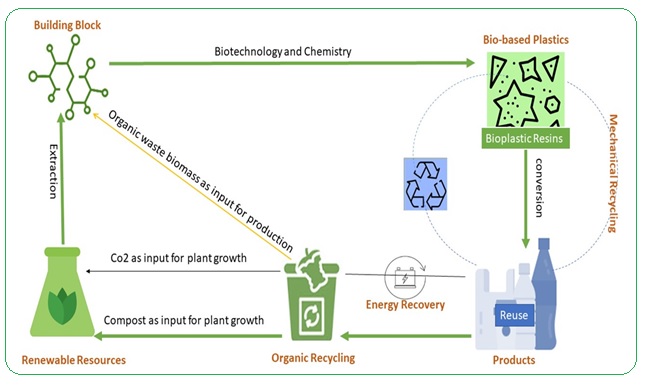
Abstract The expansion and development of bioplastics and their products would increase environmental sustainability and reduce greenhouse gas emissions. A game-changer and a critical component of a long-term plastic pollution solution, bioplastics would be a game-changer. However, extensive public awareness is required to achieve long-term change in the fight against plastic pollution. This response could aid in addressing environmental threats. Plastic particles and waste and biodegradable plastics, make up a small part of the worldwide plastics industry, needing further research and development. This work provides a comprehensive analysis of the advances in biodegradable plastics through the challenges of the plastic industry and the vast market potential for biodegradable plastics. Government policy, and the socioeconomic and environmental consequences of plastics. Physio-chemical characteristics, standards, certifications, and analytical methods are discussed. It was found that bioplastics outperform petroleum-based plastics in terms of energy consumption, petroleum use, and carbon dioxide emissions. However, they fall short in terms of cost and application. Pollution and safety differ from one plastic to the next; although, bioplastics are generally safer. Hence, bioplastics are believed to be unviable in their existing state for the wide-scale application.

Extraction and purification of phycocyanin from spirulina platensis and evaluating its antioxidant and anti- inflammatory activity

Extraction and purification of phycocyanin from spirulina platensis and evaluating its antioxidant and anti- inflammatory activity

Volume 2, Issue 4, Autumn 2018, Pages 364-379

https://doi.org/10.22034/ajgc.2018.63597

Mahdieh Izadi, Mohammad Fazilati

Abstract Phycocyanin is a blue pigment and water-soluble biliprotein from the spirulina platensis. It has great medical and medicinal properties and has been used as a nutritional supplements. Phycocyanin is also a natural and powerful antioxidant and anti-inflammatory. In this study, the phycocyanin of Spirulina platensis was extracted by using two enzymatic and ultrasonic methods and purified by ammonium sulfate precipitation and dialysis. The UV spectrophotometer absorption of the extracted sample showed a broad peak range at 280, 615, and 652 nm. By using The FT-IR results confirmed the structure and molecular bonds from extracted and purificated phycocyanin. The concentrations obtained at the enzymatically was 0.405 mg/mL and for sonication 0.422 mg/mL. By using the SDS PAGE method, bands of phycocyanin were identified and the molecular weight was determined between 19-14 KD. The antioxidant and anti-inflammatory activity of the phycocyanin was approved with the reaction by DPPH and HOCl.

Microwaves in Organic Synthetic Chemistry- A Greener Approach to Environmental Protection: An Overview

Microwaves in Organic Synthetic Chemistry- A Greener Approach to Environmental Protection: An Overview

Volume 8, Issue 1, January and February 2024, Pages 68-80

https://doi.org/10.48309/ajgc.2024.392833.1387

Sangita Dayanand Katre

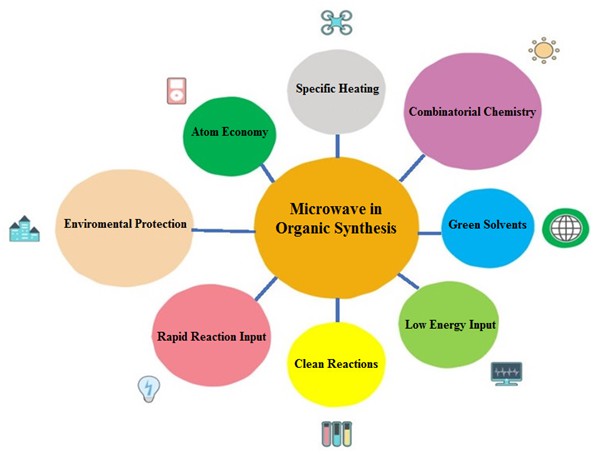
Abstract Microwave assisted organic synthesis is an environment friendly approach to synthesis as it is simple, innovative, gives high yield at low cost, and reduces the use of solvents. Conventional methods used in chemical synthetic processes involve the use of substances that are harmful to the environment. To cope with this issue, chemists were in search of a green alternative to conventional chemical practices that resulted in the development of a new branch of chemistry known as “Green chemistry”. It foresees minimum impact to the environment as aprimary criteria while developing any new chemical process. This predetermined target of green chemistry is achieved by considering different gist areas such as elimination of the use of traditional organic solvents if possible, finding alternative reaction media, conditions to minimize undesirable chemical waste formation, reaction rate enhancement using microwaves as energy source, etc. Microwave technique involves energy transfer that leads to rapid and uniform heating of the dielectric materials which often results in homogeneity and increased yield of the resultant products. It has numerous advantages over conventional thermal process such as shorter reaction time, better yield product, and less energy consumption. The present article describes microwave irradiation as a valuable energy efficient alternative to the conventional heating for greener organic synthesis.

Synthesis of spiro [cyclobutane-1,2-indene]-1,3-dione under a new multi-site phase-transfer catalyst combined with ultrasonication-a kinetic study

Synthesis of spiro [cyclobutane-1,2'-indene]-1',3'-dione under a new multi-site phase-transfer catalyst combined with ultrasonication-a kinetic study

Volume 3, Issue 1, Winter 2019, Pages 53-69

https://doi.org/10.22034/ajgc.2018.66101

Manickam Sathiyaraj, Perumal Venkatesh

Abstract In the present study, kinetics of synthesis of spiro[cyclobutane-1,2’-indene]-1’,3’-dione was successfully carried out by spirolation of indene-1,3-dione with 1,3-dibromo propane using aqueous potassium hydroxide and catalyzed by a newly synthesized multi-site phase-transfer catalyst viz., 1,3,5-tribenzyl-1,3,5-triethyl-1,3,5-triazinane-1,3,5-triiu tribromide (MPTC), under ultrasonic (40 kHZ, 300 W) assisted organic solvent condition. The pseudo first-order under the ultrasound irradiation (40 kHz, 300 W) in a batch reactor, the overall reaction was greater than that of without ultrasound.

A review on plant extract mediated biogenic synthesis of CdO nanoparticles and their recent applications

A review on plant extract mediated biogenic synthesis of CdO nanoparticles and their recent applications

Volume 3, Issue 2, Spring 2019, Pages 187-200

https://doi.org/10.22034/ajgc.2018.140313.1084

Suresh Ghotekar

Abstract Development of an environmentally benign route for synthesis of nanomaterial is a remarkable step in the field of nanotechnology. Nanotechnology involves the tailoring of materials at the atomic level to attain peculiar and special properties, which can be seemly manipulated for many applications. Among the all metal oxide nanoparticles, cadmium oxide nanoparticles (CdONPs) have attracted a great deal of attention due to its superior biological, chemical, and physical properties. Green protocol of synthesizing nanoparticles has emerged as an optional way to overcome the limitation of the conventional methods. Plant, biopolymers, and microorganisms are majorly used for green synthesis of nanoparticles. Using plants towards synthesis of nanoparticles are emerging and also beneficial compared to microbes with the presence of broad variability of biomolecules in plants which can act as capping and stabilizing agents and so increases the rate of stabilization of synthesized nanoparticles. Also, the nanoparticles produced by the plants material are more stable than the microorganisms. Therefore, among the all organisms plants are best potential candidates for biosynthesis of CdONPs and they are suitable for large-scale biosynthesis. In this review, the green synthesis of CdONPs, protocol of syntheses, mechanism of formation, and their miscellaneous applications have been discussed.

Keywords Cloud

Related Journals