3.8(Q2)
CiteScore
27
h-index
Volume & Issue: Volume 10, Issue 1, January and February 2026, Pages 1-180 
Number of Articles: 12

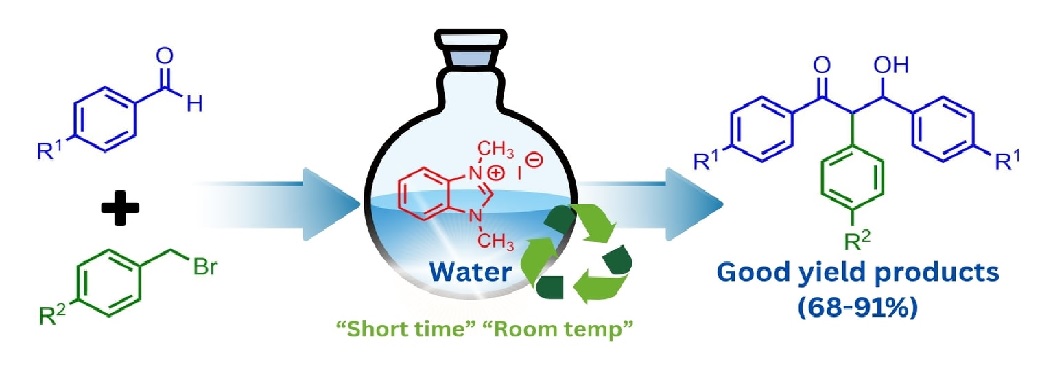
Benzimidazolium-Catalyzed Cross-Coupling of Aromatic Aldehydes and Benzyl Halides in Water: A Green and Efficient Synthesis of 3-Hydroxy-1,2,3-Triarylpropan-1-Ones

Pages 1-15

https://doi.org/10.48309/AJGC.2026.530868.1759

Baramee Phungpis, Pakin Noppawan, Kanokkan Worawut, Potchanee Keawkumsan

Abstract The development of green reaction conditions using H2O as the reaction medium enabled the efficient reaction of various aromatic aldehydes and benzyl halides. The reactions were carried out under mild conditions using 50 mol% N, N-dimethylbenzimidazolium iodide and 50 mol% NaOH, with reaction times optimized for each substrate. This protocol yielded 3-hydroxy-1,2,3-triarylpropan-1-ones as the main products, formed through the further reaction of initially generated α-aryl ketones with an additional equivalent of aldehyde under basic conditions. The desired products were obtained in good to excellent yields (68-91%). A minor amount of α-hydroxy carbonyl compounds was consistently observed as a by-product. Notably, the aqueous reaction medium containing the benzimidazolium salt and NaOH was recyclable and could be reused for at least three consecutive cycles without a significant decrease in catalytic activity.
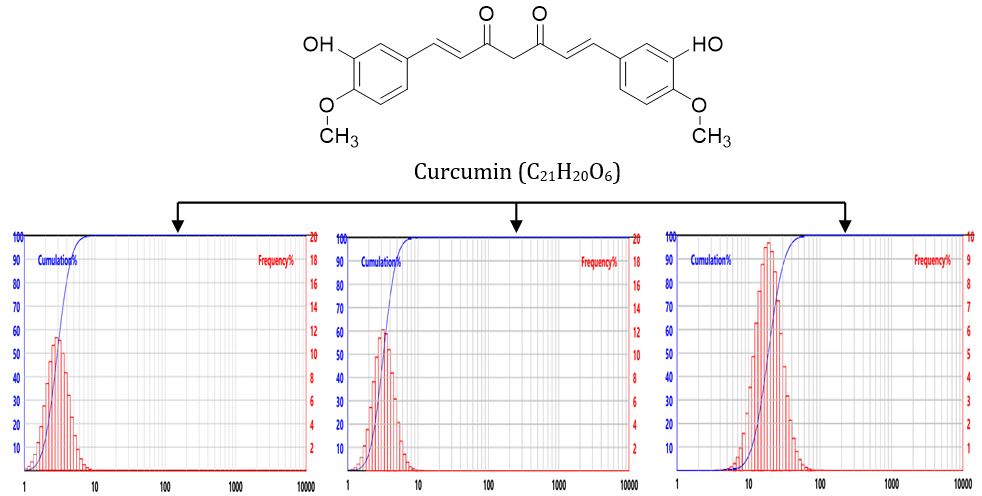
Optimization of Nanocurcumin Particle Size Using Chitosan via Ionic Gelation and Sonication Methods

Pages 16-26

https://doi.org/10.48309/AJGC.2026.536041.1783

Haspita Rizki Syurya Handini, Hendy Hendarto, Bambang Purwanto, Rochmah Kurnijasanti, Widjiati Widjiati

Abstract Curcumin, the active compound in turmeric, exhibits antioxidant, anti-inflammatory, and anticancer properties. However, curcumin has low bioavailability, biodegradability, and water solubility, which limits its effectiveness in disease prevention and treatment. To overcome these limitations, curcumin has been widely developed in nanoparticle form. Chitosan is one of biocompatible and non-toxic polymers commonly used in nanoparticle formation. Additionally, tripolyphosphate, a polyanionic compound, serves as a crosslinking agent in nanoparticle synthesis. This study aimed to synthesize nanocurcumin using chitosan and tripolyphosphate via ionic gelation and sonication methods, which are expected to enhance the effectiveness of curcumin. The ratio of curcumin, chitosan, and tripolyphosphate (TPP) was 1:5:1, with curcumin doses of 50 mg (F1), 100 mg (F2), and 200 mg (F3). The particle size analyzer (PSA) test for nanocurcumin revealed particle sizes of 3.71 nm, 3.98 nm, and 25.60 nm, respectively. The polydispersity index (PDI) values of F1, F2, and F3 were 0.1324, 0.1148, and 0.1850, respectively. The addition of chitosan and tripolyphosphate using ionic gelation and sonication methods was found to be effective in synthesizing nanocurcumin into nanoparticles with ultra-small and stable sizes (<100 nm), exhibiting homogeneous particle distribution (PDI < 0.3).

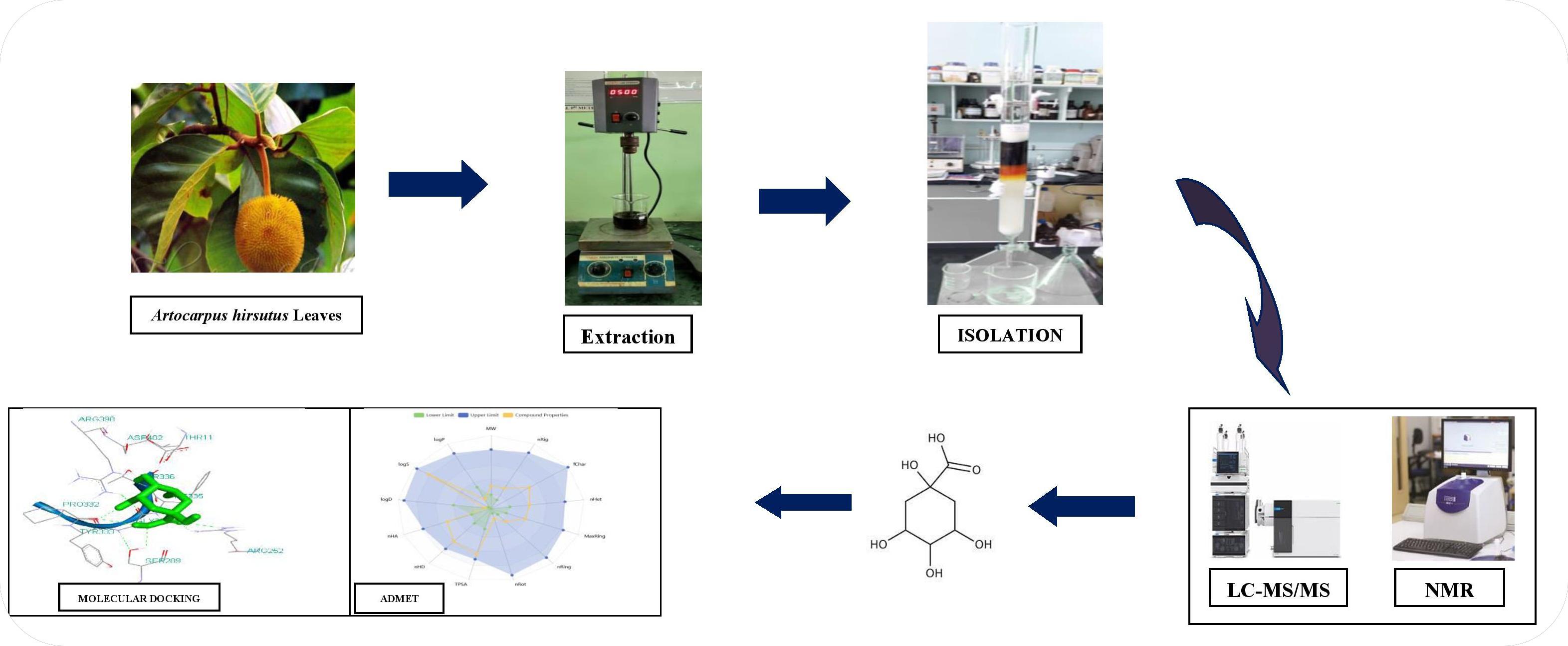
Isolation, Characterization, Molecular Docking, and ADMET Analysis of a Phenolic Compound from Ethanol Extract of Artocarpus hirustus Leaves for Antidiabetic Potential

Pages 27-44

https://doi.org/10.48309/AJGC.2026.533405.1769

Rajeswari Rajamani, Kumudha Dhamotharasamy

Abstract Artocarpus hirsutus is a common plant used by tribal people for its high medicinal value. The present study aimed at the isolation, characterization, computational molecular docking and ADMET assessment of isolated phytocompound from Artocarpus hirsutus leaves. Sequential solvent extraction and column chromatography were used for isolation and HPTLC, FT-IR, proton NMR, carbon NMR, HMBC and LC-MS/MS were employed to characterize the isolated bioactive compound. Thereafter in silico molecular docking (AutoDock Vina) and drug likeness (ADMET Lab 3.0) were computed. Based on spectral analysis the isolate was elucidated as phenolic compound (3S, 5S)-1, 3, 4, 5-tetrahydroxycyclohexane-1-carboxylic acid. This compound was isolated from Artocarpus hirsutus for the first time. In silico molecular docking confirmed that a stable complex was formed with pancreatic alpha-amylase (4W93) through hydrogen bonding and van der Waals interactions, indicating potential inhibitory activity relevant to diabetes management. ADMET predictions showed that isolated biologically active compound possesses a promising physicochemical and pharmacokinetic profiles, along with an absence of significant toxicity, all in accordance with Lipinski’s rule of five. Overall, these findings emphasize the inhibitory effect of quinic acid on alpha amylase (4W93). However, to fully assess its effects and to advance the optimization and development, further in vivo studies are necessary.

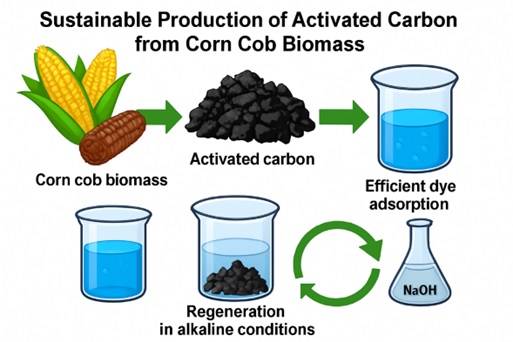
Sustainable Production of Activated Carbon from Corn Cob Biomass for Efficient Dye Adsorption and Regeneration in Alkaline Conditions

Pages 45-56

https://doi.org/10.48309/AJGC.2026.538227.1794

Basim Mohammed Saadi, Haider Falih Shamikh Al-Saedi, Wael Waleed Mustafa, Youssef Ali Naeem, Safa Sabri, Fakhri Alajeeli, Zainab Jamal Hamoodah

Abstract Water pollution remains a critical global concern, particularly due to the persistence of organic contaminants in aquatic environments. In this study, natural biomass waste, specifically corncobs, was utilized as a precursor to synthesize corn cob-derived activated carbon (CCAC) through a simple carbonization-activation process. The physicochemical and morphological studies of activated carbon were well described by Scanning Electron Microscopy (SEM), and Transmission Electron Microscopy (TEM). The adsorption capacity demonstrated was excellent, with 99.52% efficiency and 88.88% removal efficiency for methyl red (MR) and methyl orange (MO), respectively. To assess the reusability of the material, regeneration studies were conducted using three different eluents: distilled water, 0.1 M hydrochloric acid (HCl), and 0.1 M sodium hydroxide (NaOH). Among these, alkaline regeneration using NaOH solution proved to be the most effective, restoring the adsorbent's structure and maintaining its active sites for dye binding. After five consecutive adsorption-desorption cycles, the CCAC regenerated in an alkaline medium retained a high removal efficiency of 90.11% for MR dye and 76.33% for MO dye, indicating its strong stability and excellent recyclability. This demonstrates that CCAC can serve as a low-cost, high-performance, and regenerable adsorbent for wastewater treatment, while promoting the high-value utilization of agricultural waste.

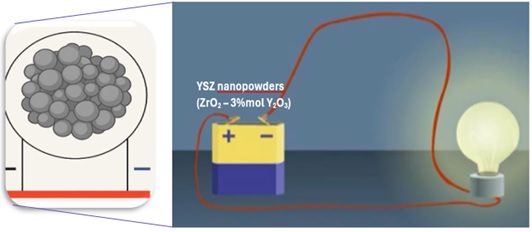
Relaxation Behavior of YSZ-Based Nanopowders Following Electric Field Exposure

Pages 57-68

https://doi.org/10.48309/AJGC.2026.537811.1792

Aleхandr Doroshkevich, Altyn Altynbassova, Indira Yespanova, Nurbol Appazov, Nurlybek O. Akhatayev, Andrey Kirillov, Saule Ainabekova, Moreno Perez Anthony, Zdravka Slavkova, Bagdaulet Мukhametuly, Elena Kibardina, Zhanna Mezentseva, Alexey Tameev

Abstract This article is dedicated to the study of electrophysical processes at the interface phase of a hydrated nanostructured YSZ-based system in an electric field. The work is of interest to microsystems technology and sub-voltage electronics. The limits of the electrical properties of a new type of microscopic ultra-high capacitance density capacitor are considered. Electrokinetic processes in dispersed ZrO2-based nanopowder systems under external electric and magnetic fields were studied. The size effect of ZrO2 nanoparticles (7-100 nm) on the system’s accumulation of electric charge density of up to 100 μF/g after exposure to an electric field (100 ÷ 10,000 V / m) at 300 K was established. The relaxation of the electrical properties after exposure to an electric field of about 100,000 V/m has been studied using impedance spectroscopy. The time dependence of the electrical conductivity of the nanoparticle surface layer and the ion layer in the space between nanoparticles was investigated.

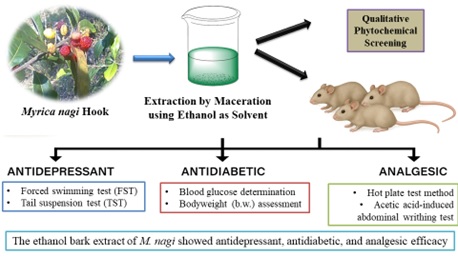
Green Extraction and In Vivo Screening of Myrica Nagi Bark for Antidepressant, Antidiabetic, and Analgesic Potentials

Pages 69-83

https://doi.org/10.48309/AJGC.2026.537235.1786

Himani Bajaj, Dipongkar Ray Sobuj, Mohammad Shamim Qureshi, Neelam Sharma, Laliteshwar Pratap Singh, Narender Boggula, Tamanna Rashid, Nawaz Mohammed Khan, Uttam Prasad Panigrahy, Abinash Kumar Sahu

Abstract The Myricaceae family's subtropical shrub known as Myrica nagi Hook (syn. Myrica esculenta Buch. & Ham) is frequently referred to as boxberry. It is an average to large, dioecious, evergreen tree with a trunk circumference of 92.5 cm, and light brown to black bark. Several chemical compounds in M. nagi have been shown to be potent antioxidants, and M. nagi has been linked to various pharmacological activities. This study analyzed the antidepressant, antidiabetic, and analgesic properties of Myrica nagi (M. nagi) ethanol bark extract in Swiss albino mice. The extraction was performed using the maceration technique. The forced swimming test (FST), tail suspension test (TST), and alloxan-induced diabetic model were used alongside analgesic assays, such as the hot plate and acetic acid-induced writhing test. The proposed activities were evaluated using these procedures. Antidepressant action was observed in the FST and TST at a higher dose (400 mg/kg). Significant antidiabetic action was observed in alloxan-induced diabetic mice when the bark extract was administered at 200, 300, or 400 mg/kg. The ethanol extract of the bark at three concentrations (200, 300, and 400 mg/kg) showed substantial analgesic effects in both the hot plate and acetic acid-induced tests. According to our findings, M. nagi bark extract has antidepressant, antidiabetic, and analgesic properties. However, further studies are needed to isolate bioactive ingredients and better understand the molecular mechanisms and modes of action of these pharmacological benefits.

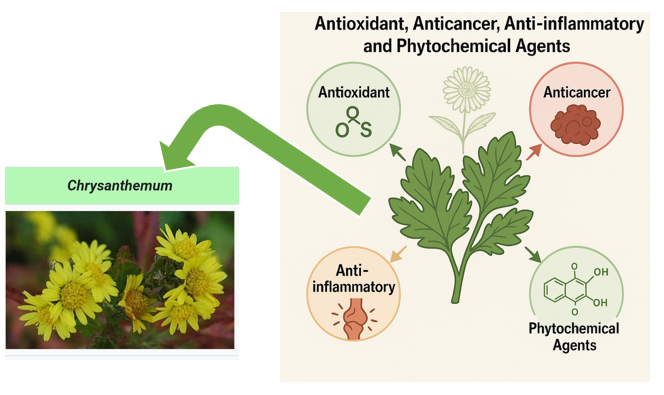
Utilization of Chrysanthemum Leaf and Stem Extracts as Antioxidants, Anticancer, Anti-inflammatory, and Phytochemical Agents

Pages 84-100

https://doi.org/10.48309/AJGC.2026.537408.1787

Hamad Mohammed Adress Hassan, Fakhri F Aljidaemi, Ghada M Salem, Zakaria M. Bannur, Huthifa Aljeaday, Lubnah Nabil Elyas Aldaba, Doaa S Alajnaf, Salma .O JadAllah, Hamdi Ali Khatab, Mawada Saber Salem

Abstract In the developed world, the use of these alternative medications has grown in popularity. Libya is incredibly rich in medicinal plants. Thousands of these plants grow naturally throughout the country, particularly in the Al-Jabal Al-Akhdar region, and are employed in folk medicine for therapeutic effects. The study's objectives were to measure the antioxidant activity of the plant samples under investigation and identify the phytochemical screening of the leaves and stems of Chrysanthemum extracts prepared using ethanol and water solvents. The Chrysanthemum plants growing in the Al-Jabal Al-Akhdar region of Libya are assessed for their antimicrobial, anti-inflammatory, and anticancer efficacy. Antioxidant, antimicrobial, and antitumor activities for the two extracts were examined, showing that proteins, amino acids, total phenols, carbohydrates, and antioxidant activity were all present in the stem and leaf samples at various concentrations. The leaves and stems of Chrysanthemum can be used for the treatment of various disorders in human beings, such as anti- inflammatory and antimicrobial activity, as well as antioxidant and anticancer properties.

Determination of Moisture Content in Ground Coffee Using Near-Infrared Spectroscopy and Chemometrics

Pages 101-113

https://doi.org/10.48309/AJGC.2026.535228.1775

Lestyo Wulandari, Gunawan Indrayanto, Mochammad Yuwono

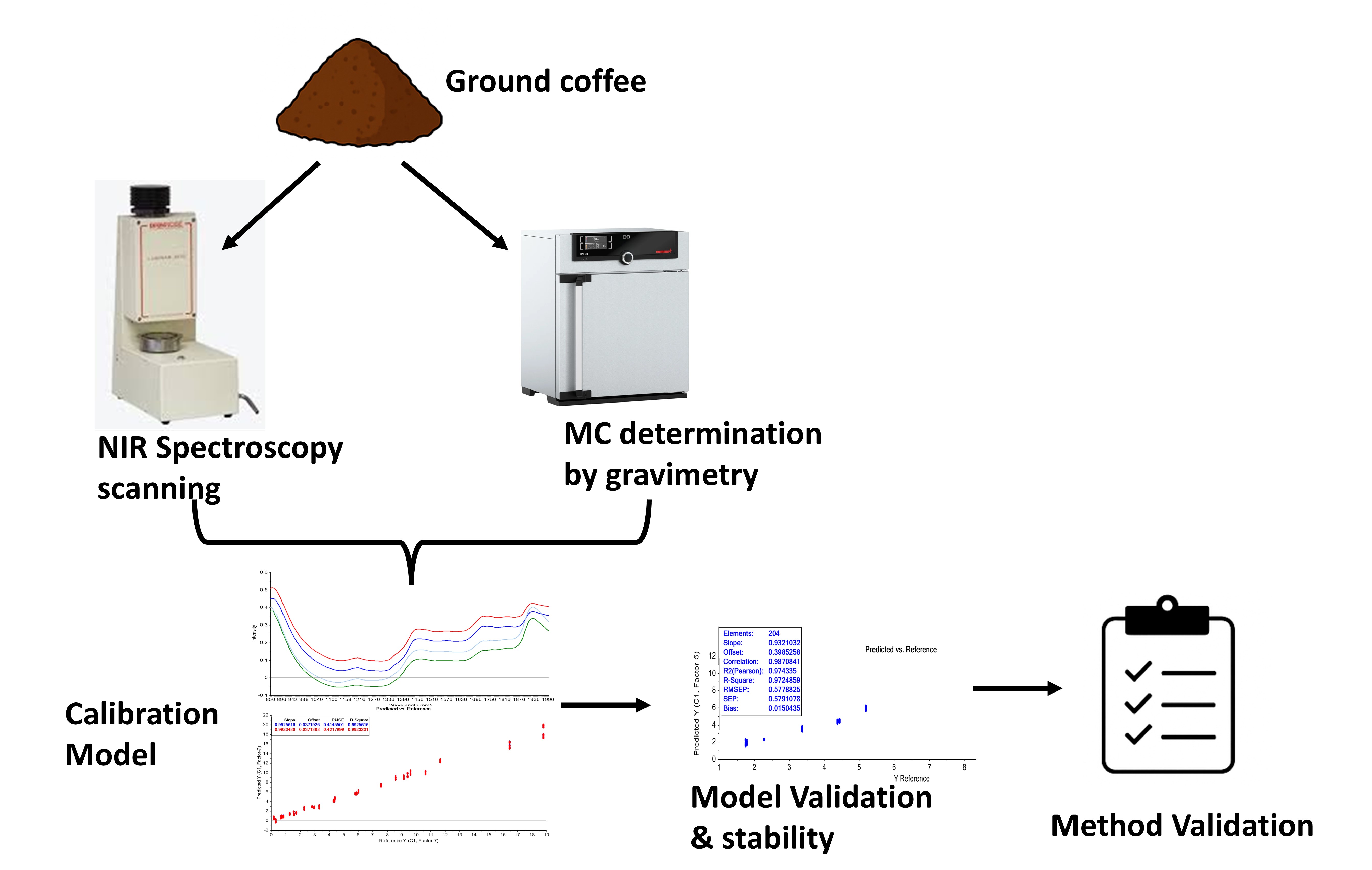
Abstract Moisture content (MC) is one of the parameters that can affect the quality of coffee. The high moisture content in ground coffee can cause the growth of microbes or fungi, decreasing coffee quality. This study aims to determine a calibration model using NIR spectroscopy and chemometrics to ascertain the moisture content of ground coffee. The samples of ground coffee with varying moisture content were divided into thirty training sets and ten test samples. The NIR spectra of the ground coffee samples were correlated with the moisture content to form a calibration model. The calibration models used were partial least squares (PLS), principal component regression (PCR), and support vector regression (SVR). The model formed was then validated using leave-one-out cross-validation and external validation, and the accuracy of the stable calibration model was evaluated. Data analysis revealed that the PLS of the original spectra is the best calibration model, with R2 and RMSE values of 0.993 and 0.414, respectively. Leave one out cross-validation of PLS shows an R2 of 0.993 and RMSE of 0.422. External validation shows R2 (Pearson), R2, RMSEP, and bias of 0.974, 0.972, 0.578, and 0.015, respectively. The accuracy of MC determined by the PLS model has a %recovery of 100.4% with a tolerance interval of 92.65%-108.22%. Overall, the study proposes the PLS model to have good stability. The tandem protocols of NIR spectroscopy combined with chemometrics can determine the moisture content of the ground coffee, suggesting a rapid, simple, precise, and accurate alternative method.

Emission Reduction Using PET-Based Activated Carbon: Influence of Plastic Type and Adsorbent Mass

Pages 114-125

https://doi.org/10.48309/AJGC.2026.537647.1789

Anis Artiyani, Warsito Warsito, Muhammad Sasmito Djati, Nur Nur Hidayat Hidayat

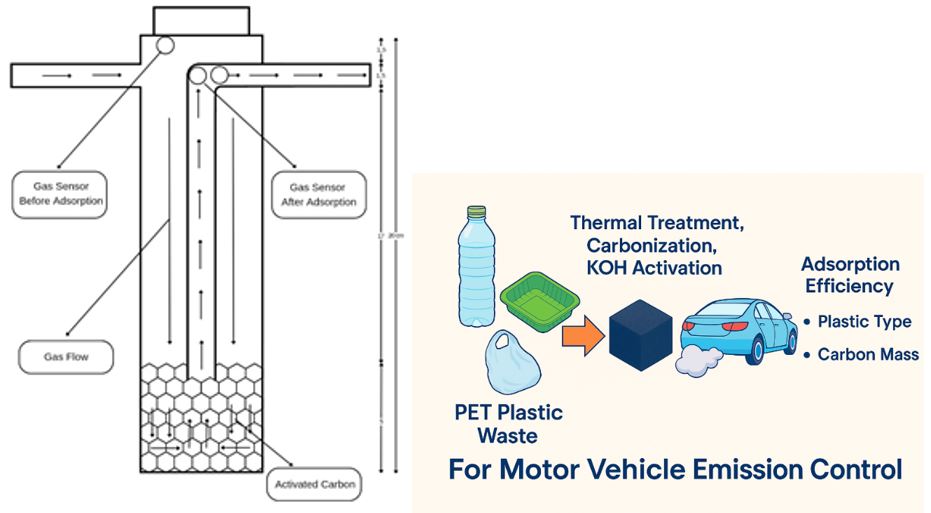
Abstract Motor vehicle emissions contribute significantly to environmental pollution, requiring effective and sustainable control strategies. This study investigated the use of activated carbon derived from polyethylene terephthalate (PET) waste for exhaust gas treatment. PET plastic was thermally treated, carbonized, and chemically activated to enhance porosity. The effects of plastic type and adsorbent mass on the adsorption of carbon monoxide (CO), hydrocarbons (HC), and nitrogen oxides (NOx) were evaluated. Results showed that both factors significantly influenced adsorption performance, with the highest CO reduction (up to 80%) achieved using high-purity PET and an adsorbent mass of 5 g. These findings indicate that PET-based activated carbon has potential to be a sustainable and cost-effective material for reducing vehicle emissions.

Unveiling Bioactive Agents in Nigella Sativa and Foeniculum Vulgare: A Dual in Vitro and in Silico Anticancer Exploration

Pages 126-143

https://doi.org/10.48309/AJGC.2026.533877.1770

Shaymaa Qassim Mohammed, Dalia El-Badan, Walaa Diab, Shaden Haidar, Aqeel Lami, Zaher Abdel Baki, Shiraz Rawas, Akram Hijazi, Ali Jaber

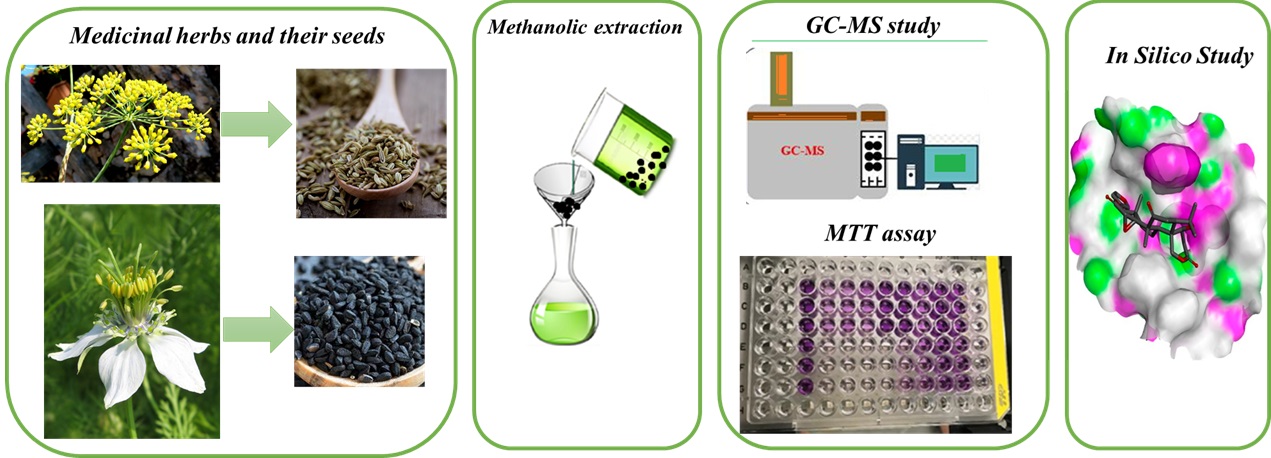
Abstract Nigella sativa (black seed) and Foeniculum vulgare (fennel) are significant medicinal herbs due to their bioactive compounds, especially volatile molecules. This study aimed to evaluate the anticancer capabilities of the crude extract and the chemical components detected in these plants. GC-MS analysis of the methanolic extracts from both plants showed the presence of numerous phytochemicals. The cytotoxic activity of the extracts was assessed via the MTT assay against HepG2 and WRL-68 cells. All extracted compounds exhibited dose-dependent reductions in HepG2 cell viability, with volatile fractions demonstrating the highest anticancer activity. The IC50 values for N. sativa and F. vulgare were 110.6 and 139.0 μg. mL-1, respectively, prompting their selection for further analysis. Notably, the N. sativa extract significantly inhibited HepG2 proliferation, with inhibition rates of 56.7 %, 50.4 %, 26.9 %, 9.2 %, 4.2 %, and 4.8 % at concentrations of 400, 200, 100, 50, 25, and 12.5 μg/mL, respectively. Importantly, its effect on normal WRL-68 cells was markedly lower (28.1 % to 4.1 % inhibition). Similarly, F. vulgare extract showed substantial anticancer activity, with inhibition rates of 36.6 %, 23.7 %, 12.5 %, 5.7 %, 4.0 %, and 5.1 % at the same concentrations, while exerting minimal cytotoxicity on WRL-68 cells (32.2 % to 4.0 % inhibition). Molecular docking studies were conducted to evaluate the binding affinities of major compounds with cancer-related protein targets. In silico studies further supported the in vitro findings, with 9,12-octadecadienoic acid demonstrating strong binding affinities to key cancer-related proteins (TGF-βR1, iNOS, BCL-2, and TNF-α), suggesting its potential role in modulating inflammation and apoptosis pathways. These findings underscore the selective anticancer properties of N. sativa and F. vulgare seed extracts, highlighting their potential as natural chemotherapeutic agents. Further research is warranted to isolate and characterize their active constituents for therapeutic development.

Greener Extraction Techniques and Neuroprotective Compounds from Marine Algae: A New Wave in Neuropharmacology

Pages 144-162

https://doi.org/10.48309/AJGC.2026.536641.1780

Soumya Sasidharan, Ronald Darwin Chellappan

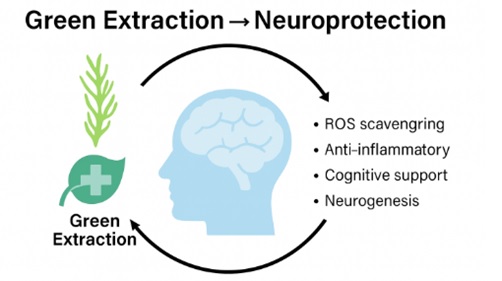
Abstract The increasing prevalence of neurodegenerative diseases, including Alzheimer’s and Parkinson’s, underscores the urgent need for new therapies with broad mechanisms of action, minimal side effects, and sustainable origins. Marine algae represent a valuable source of neuroprotective compounds, such as phlorotannins, fucoxanthin, omega-3 fatty acids, sulfated polysaccharides, and sterols. These bioactive compounds exhibit antioxidant, anti-inflammatory, anti-amyloidogenic, and neurogenic activities by inhibiting acetylcholinesterase, scavenging reactive oxygen species, suppressing pro-inflammatory cytokines, and enhancing neurotrophic factors such as Brain-Derived Neurotrophic Factor (BDNF). Despite their promise, the therapeutic application of these compounds is restricted by conventional extraction processes that are energy-demanding, environmentally harmful, and inefficient. To overcome these limitations, this review highlights the role of green extraction technologies, such as Ultrasound-Assisted Extraction (UAE), Microwave-Assisted Extraction (MAE), Supercritical Fluid Extraction (SFE), Enzyme-Assisted Extraction (EAE), and Pressurized Liquid Extraction (PLE), which enhance yield, preserve compound integrity, reduce solvent use, and align with the principles of green chemistry. These approaches offer scalable and eco-friendly solutions for marine biomass utilization. The review also addresses challenges related to extraction standardization, bioavailability, and blood–brain barrier permeability, while highlighting advanced delivery systems, such as nanocarriers and intranasal administration. Future directions emphasize sustainability, precision neuropharmacology, and regulatory and ethical considerations, which are discussed in detail in later sections. Marine algae have thus emerged as an underutilized yet sustainable resource for the development of next-generation neurotherapeutics.

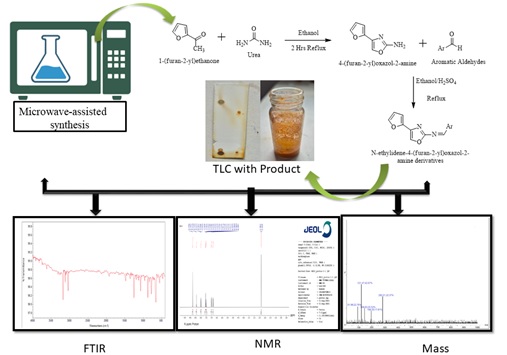
Microwave-Assisted Reaction Optimization and Synthesis of Novel N-Ethylidene-4-(Furan-2-yl) Oxazol-2-Amine Derivatives

Pages 163-180

https://doi.org/10.48309/AJGC.2026.545175.1826

Kiran Prakash Sabale, Gopal Kisanrao Kakade

Abstract This study reports the microwave-assisted synthesis of 4-(furan-2-yl) oxazole-2-amine and its Schiff base derivatives as sustainable alternatives to conventional methods. Optimization experiments using acetophenone–urea as a model system demonstrated ethanol (0.5–1.5 mL) under 750 W microwave irradiation for 40–60 s is the most efficient condition, yielding 90–92%. These conditions were successfully applied to a furan-based substrate, confirming the reproducibility and scalability of the methodology. The target compound, 4-(furan-2-yl) oxazole-2-amine, was further condensed with a series of aromatic aldehydes to afford Schiff base derivatives (KS3, KS7, KS10, KS15, KS16, KS18, KS19, and KS20) in good to excellent yields. Microwave-assisted reactions markedly reduce reaction times (≤2 min) compared to conventional reflux (3–5 h) while minimizing solvent use, aligning with the principles of green chemistry. Structural elucidation of all the synthesized compounds was achieved using FTIR, 1H-NMR, 13C-NMR, and mass spectrometry, which confirmed the oxazole core and imine linkages. Substituent effects were evident, with nitro, dimethylamino, and trifluoromethyl groups influencing chemical shifts, absorption bands, and physicochemical properties, such as melting point and solubility. These derivatives exhibited distinct structural and electronic variations, underscoring their potential as scaffolds for further pharmacological investigations. Overall, this work demonstrates a robust, rapid, and eco-friendly protocol for generating heteroaryl imine hybrids, providing a valuable platform for future structure–activity relationships and bioactivity studies.